Acrylic Sheets vs. Polycarbonate Sheets: Which One Does Your Business Need?
Choosing between acrylic sheets and polycarbonate sheets is one of the most common material decisions businesses face when planning a fabrication or display project. Both plastics look similar at first glance, but they behave very differently in real-world conditions. That gap matters in a demanding climate around Jamestown, where winters are long, temperatures swing sharply, and UV exposure is significant during summer months. This guide breaks down the key differences so you can match the right material to your project.
Clarity and Optical Quality
Acrylic sheets offer the highest optical clarity of any plastic sheet material. They transmit up to 92% of visible light, which is clearer than standard glass. This makes acrylic the preferred choice for retail displays, museum cases, signage, and any application where visual presentation matters most. Polycarbonate is also transparent but carries a slight bluish or yellowish tint and transmits around 88% of light. For projects where storefronts and trade displays rely on crisp, clean visuals, acrylic is often the stronger performer.
Impact Resistance
Polycarbonate is the clear winner for toughness. It is roughly 250 times more impact-resistant than glass and significantly stronger than acrylic. If your application involves machine guards, safety glazing, vandalism-prone signage, or any area exposed to physical stress, polycarbonate may be the smarter choice. Acrylic can crack or chip under sharp impact, although it holds up well under normal use. Businesses near Jamestown's busy agricultural and industrial corridors may find polycarbonate more suitable for high-traffic or heavy-duty environments.
UV Performance in a North Dakota Climate
North Dakota summers bring intense, prolonged sun exposure despite the cold winters. Acrylic sheets handle UV radiation well. Standard acrylic resists yellowing and degradation from UV exposure over many years of outdoor use. Polycarbonate, by contrast, requires a co-extruded UV-resistant coating to prevent surface degradation. Without that coating, polycarbonate can yellow and become brittle over time when exposed to direct sunlight. For outdoor signage, greenhouse panels, or exterior displays serving Jamestown businesses should verify that any polycarbonate product carries a UV-stable surface treatment.
Weight and Ease of Fabrication
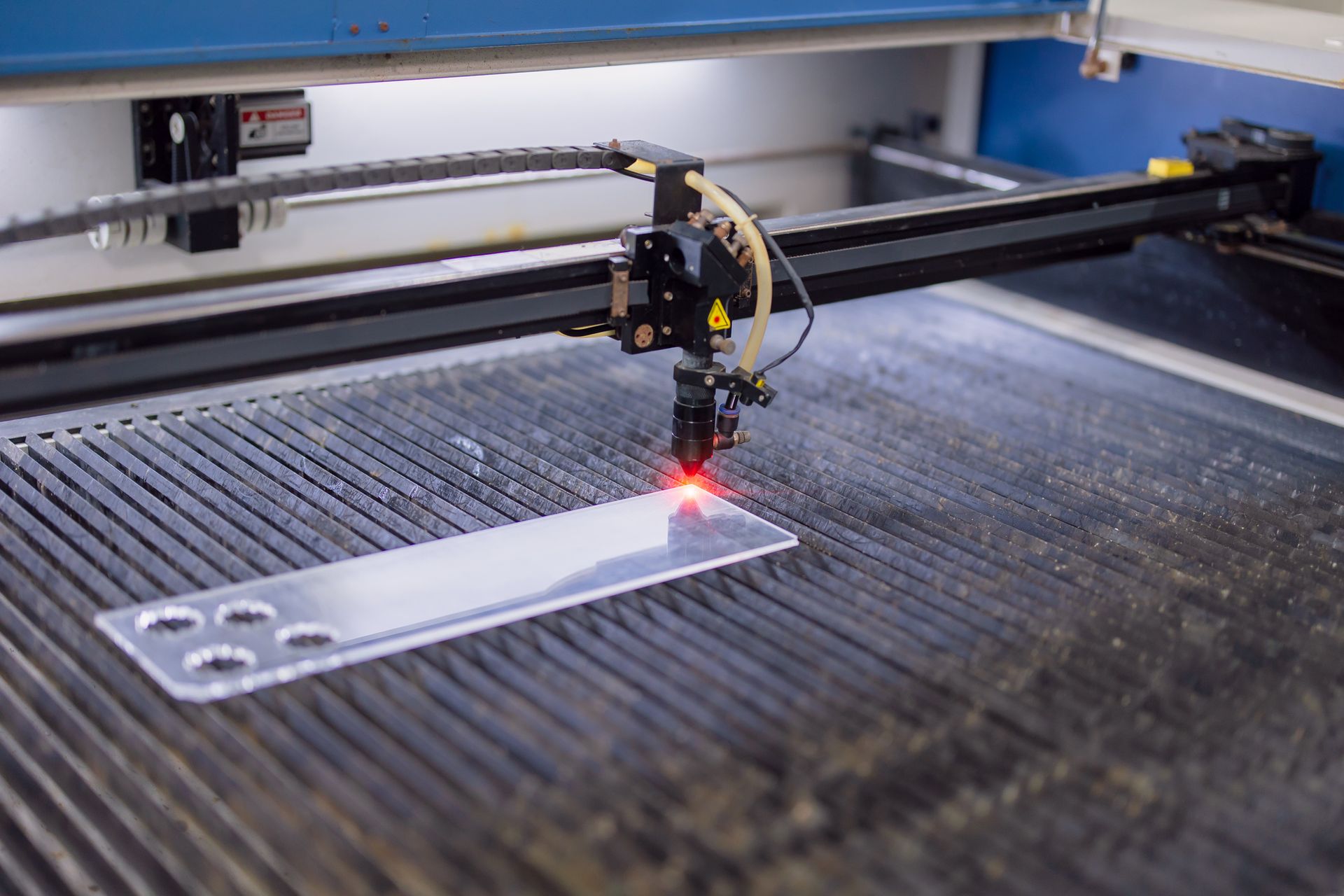
Both materials are lightweight compared to glass, but acrylic is slightly denser than polycarbonate at the same thickness. In practical terms, the difference is modest. Where they diverge more noticeably is in how each material behaves during cutting, routing, and shaping. Acrylic machines clean and produces polished edges with less effort. It sands, buffs, and bonds well with solvent cement. Polycarbonate is more flexible and can bend without snapping, but it tends to produce rough or gummy edges during cutting and requires specific adhesives for bonding. For precision fabrication work such as custom displays, partitions, and sign components, acrylic often delivers a cleaner finished result with less post-processing.
Scratch Resistance
Acrylic is more scratch-resistant than polycarbonate in its standard form. Polycarbonate is softer and picks up surface scratches more easily, which can cloud its appearance over time, especially in high-contact applications. Hardcoated polycarbonate is available to address this, but it adds cost. If your application involves frequent cleaning, public contact, or heavy handling, acrylic sheets may maintain a better appearance over the long term without needing a premium surface treatment.
Comparing Use Cases at a Glance
The table below summarizes which material tends to perform better for common business applications:
| Application | Better Choice |
|---|---|
| Retail and trade show displays | Acrylic |
| Machine guards and safety glazing | Polycarbonate |
| Outdoor signage in ND climate | Acrylic (UV-stable by default) |
| Greenhouse or skylight panels | Polycarbonate (flexible, impact-safe) |
| Museum cases and vitrines | Acrylic |
| Food service sneeze guards | Either, depending on impact needs |
| Agricultural equipment windows | Polycarbonate |
Get the Right Material for Your Project
Choosing between acrylic and polycarbonate comes down to your specific priorities: optical clarity, impact resistance, UV performance, or fabrication requirements. Both materials are versatile, and the right one depends on where and how it will be used. Crown Plastics, Inc. serves Jamestown, ND, and can help you evaluate your project requirements and select the best material for the job. Whether you need custom-cut acrylic sheets for a retail display or polycarbonate panels for an industrial guard, the team offers expert guidance and precision fabrication.
Explore your options on the
Acrylic Fabrication page or visit the
Acrylic Sheets for service page to learn more about available materials and capabilities. Ready to get started? Call
(800) 423-2769 to request a quote, or
contact us online today. You can also find
Crown Plastics, Inc. on Google Maps.